Digital Detox Tips: How to Reduce Screen Time for Improved Mental Health in 2026
We're only a few days into 2026, and if you're like me, you've probably already caught yourself scrolling mindlessly more times than you'd admit. With notifications pinging constantly and endless feeds pulling us in, it's no wonder screen time is one of the biggest wellness concerns this year. Recent studies, like those highlighted in Vogue and Georgetown University research, show that cutting back—even partially—can lower anxiety, boost mood, and sharpen focus. I've tried a few tweaks myself lately, and the difference in my energy and sleep has been noticeable.
Excessive screen time isn't just tiring your eyes; it's linked to higher stress, poorer sleep, and even symptoms of depression. Blue light messes with melatonin, constant comparisons on social media chip away at self-esteem, and that "always-on" feeling fragments our attention. The good news? A digital detox doesn't mean ditching your phone forever. Small, intentional changes can reclaim your mental space and set you up for a clearer, calmer year.
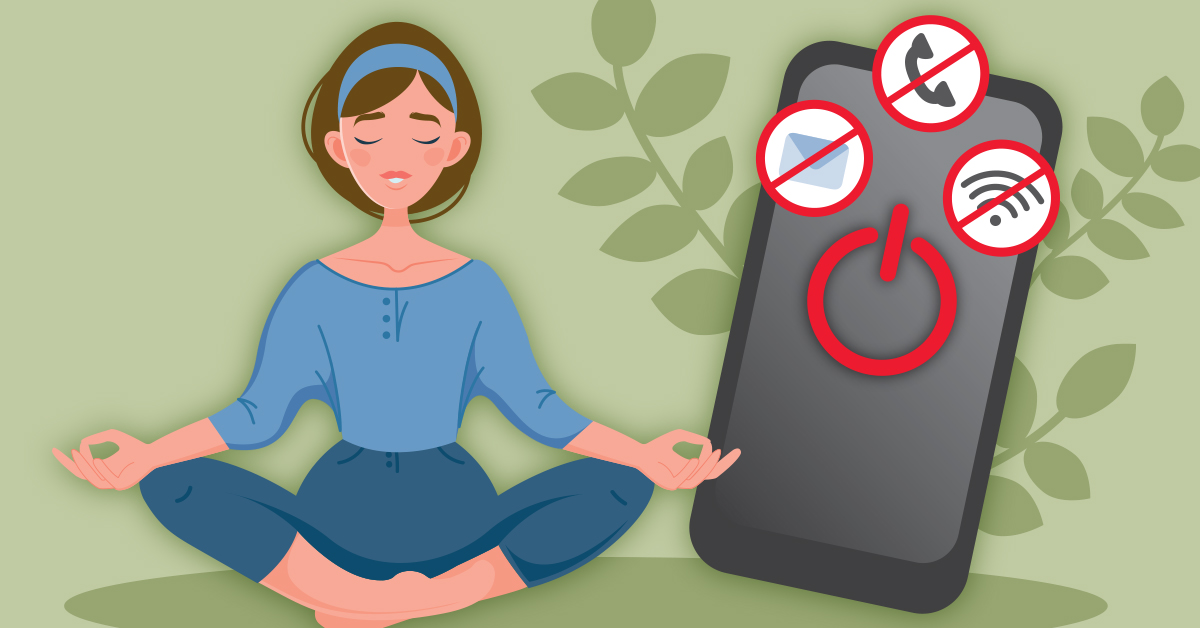
Why Reducing Screen Time Matters for Your Mental Health
Experts in 2026 are emphasizing digital wellbeing more than ever. Research from places like Harvard and NPR shows that even short breaks from social media can drop depression symptoms by up to 25% and improve sleep. Partial detoxes—where you limit rather than eliminate usage—are sustainable and still deliver big wins, like reduced mental fatigue and better concentration.

Practical Digital Detox Tips to Try in 2026
Start small—no need for extreme challenges. Here are some proven strategies that are trending this year:
- Set Screen Limits with Built-in Tools: Use your phone's features like Screen Time (iOS) or Digital Wellbeing (Android) to cap daily app usage. Many people aim for under 2 hours of social media.
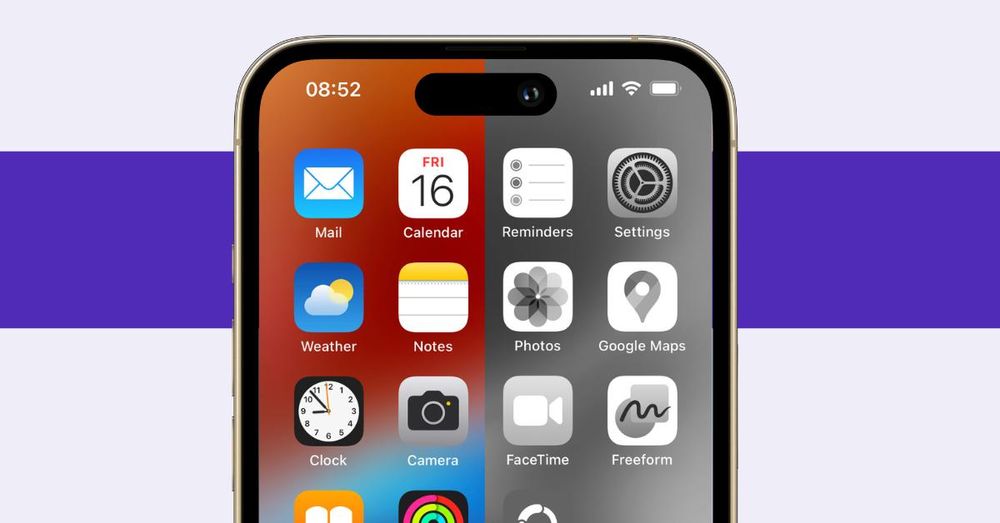
- Switch to Grayscale Mode: This makes your screen black-and-white, reducing the dopamine hit from colorful feeds. It's a subtle trick that curbs mindless scrolling.
- Create Tech-Free Zones and Times: No phones at the dinner table or in the bedroom. Try one hour screen-free each evening.
- Turn Off Non-Essential Notifications: Silence alerts for everything except calls or urgent messages. This cuts interruptions and mental clutter.
- Declutter Your Digital Space: Unfollow draining accounts, delete unused apps, and organize your inbox. Less chaos means less low-level stress.
- Replace Scrolling with Real Activities: Read a physical book, journal, or take a silent walk in nature—proven to recharge your mind faster.

Easy Habits to Build for Long-Term Success
Make it stick by pairing new routines:
- Charge your phone outside the bedroom for better sleep.
- Schedule "boredom time"—let your mind wander without a screen.
- Track your progress weekly and celebrate small wins.
- Find accountability—share your goals with a friend or join online communities focused on mindful tech use.
:max_bytes(150000):strip_icc()/why-and-how-to-do-a-digital-detox-4771321-FINAL-d129381fa4524c5db792951fd9b987d2.png)
Whether you're aiming for a full weekend unplug or just smarter daily habits, reducing screen time in 2026 can transform how you feel. Listen to what works for you, start with one or two tips, and watch your focus and peace of mind grow. Here's to a more present, energized year ahead!


Comments
Post a Comment